
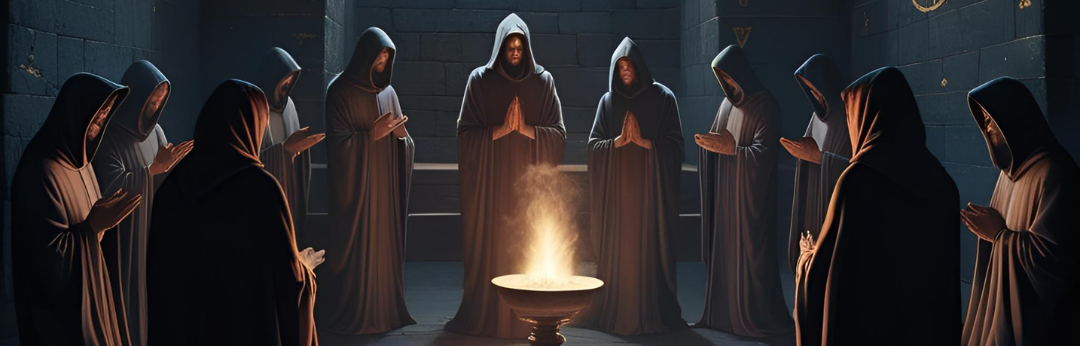
Illuminati Initiation Rituals Unveiling the Secrets Bavarian professor Adam Weishaupt formed the Illuminati as a secret society through its establishment in 1776. The intriguing nature of the Illuminati rests on processional initiation practices which initiates claim to deliver membership. This article investigates both historical facts and symbolic features and enduring public interest surrounding the Illuminati’s ceremony to initiate new members. Historical Context The Illuminati established its purpose to champion enlightenment values while fighting superstition while recruiting supporters of these ideals. A process of initiation existed to verify that new members shared society objectives and could handle secret operations. Members of the organization followed a hierarchical progression through different levels where each degree required its own rituals followed by specialized teachings. For example, many of the rituals included elements that encouraged critical thinking and personal reflection among initiates. This was not just about membership; it was about cultivating a mindset that valued inquiry and skepticism. The hierarchical progression within the group often mirrored educational advancements of the time, where degrees of knowledge and understanding were recognized and celebrated. Members would engage in discussions that challenged their beliefs, fostering an environment of intellectual growth alongside the clandestine nature of their operations. Symbolic Elements of the Initiation During Illuminati initiation ceremonies many symbolic elements expressed the major doctrines which maintained fundamental to the secret society. Key elements included: The membership oath required new members to swear for the protection of the society through absolute protection of its secrets. Members conducted sacred rituals in special lit rooms containing esoteric symbols to establish a mystical ceremonial area. During Illuminati rituals two major symbolic objects appeared: a blindfold representing mysterious transition toward enlightenment and swords protecting sacred societal knowledge. The educational instruction delivered to initiates supported Enlightenment ideals by focusing on critical thinking and thorough knowledge acquisition and (reason-based learning. In addition to the blindfold and swords, other symbols played a significant role during these initiation ceremonies. For instance, the compass and square, which are often associated with Freemasonry, were also present in some Illuminati rituals, representing morality and the pursuit of knowledge. The use of light and darkness within the ceremonies symbolized the journey from ignorance to enlightenment, further illustrating the group’s commitment to intellectual advancement. Modern Depictions & Interpretations History documents the disbanding of the original Illuminati group in the late 18th century despite continuous speculation and conspiracy theories about its influence. Modern literature and cinematic depictions along with popular cultural portrayals show Illuminati initiation ceremonies through elaborate mystic rituals although they include features from actual secret groups and fictional imagination. Various representations of the Illuminati throughout history explain why people continue to be interested in this organization and the manner by which it allegedly influences worldwide events. The fascination with the Illuminati has not waned in modern times, with numerous online forums and social media platforms dedicated to discussing and theorizing about the society’s influence. Documentaries, podcasts, and articles explore the myths and realities of the Illuminati, contributing to a resurgence of interest in secret societies in general. This ongoing dialogue serves to keep the narrative alive, inviting both skeptics and enthusiasts to engage with the lore surrounding the group. A fascinating aspect of contemporary interpretations of the Illuminati is their portrayal in video games and popular culture. Games often depict players as agents fighting against oppressive forces, drawing parallels to the society’s original purpose. This dynamic representation presents the Illuminati not just as a historical group, but as a symbol of resistance against control and surveillance, resonating with modern audiences who relate to themes of freedom and rebellion. Conclusion Research into the Illuminati’s initiation rituals continues to evolve, revealing new insights into the society’s practices. As historians and scholars delve deeper into the context of these rituals, the complexities of their meanings become apparent. The dual commitment to enlightenment and secrecy has left a lasting legacy, as both academics and the general public remain captivated by the blend of knowledge, discretion, and mystery that surrounds the Illuminati. Video games combined digital technology with high-end luxury as their product format The Illuminati movement affects current video games. These video games have plots about secret societies that let players fight against surveillance and control in dynamic roles of rebellion. Through digital games players learn everything about Illuminati culture by participating in its online platform.