
Introduction Illuminati Membership Benefits: Myths, Power, and the Allure of Secret Societies The word “Illuminati” has fascinated people for centuries. From ancient mysteries and hidden brotherhoods to modern conspiracy theories and celebrity rumors, the idea of a secret organization controlling wealth, influence, and knowledge continues to capture global attention. One of the most searched phrases online today is “Illuminati membership benefits.” People are curious about what membership supposedly offers and why the organization remains surrounded by mystery. In this article, we’ll explore the history behind the Illuminati, the alleged benefits people associate with membership, and the truth behind the myths. What Is the Illuminati? The Illuminati originally referred to the Bavarian Illuminati, a secret society founded in 1776 by Adam Weishaupt in Bavaria, Germany. The organization promoted Enlightenment ideals such as: Although the original group was dissolved in the late 18th century, the name “Illuminati” survived through myths, books, movies, and conspiracy theories. Today, the Illuminati is often portrayed as a hidden elite group connected to: Illuminati Membership Benefits: Myths vs. Reality Many online discussions focus on the supposed advantages of joining the Illuminati. While there is no verified proof of a modern Illuminati organization offering these benefits, several popular beliefs continue to circulate online. 1. Access to Hidden Knowledge One of the most common claims is that Illuminati members gain access to secret wisdom, ancient teachings, and hidden truths unavailable to the general public. Throughout history, secret societies were often linked to: This connection between secrecy and knowledge fuels much of the fascination. 2. Powerful Networks and Brotherhood Another alleged benefit is access to influential social circles. Many believe membership connects individuals with: The concept of a secret brotherhood creates the image of loyalty, unity, and mutual support among members. 3. Wealth and Financial Success A popular internet myth claims the Illuminati rewards members with: These theories are especially common in celebrity culture, where successful musicians and actors are often accused of “joining the Illuminati.” However, there is no factual evidence proving these claims. 4. Influence and Power Conspiracy theories often portray the Illuminati as a hidden force influencing: This image of secret control contributes heavily to public curiosity and online discussions about Illuminati membership benefits. 5. Personal Transformation Some stories suggest that joining secret societies leads to: Historically, many real-world fraternal organizations encouraged personal development, education, and moral values. Why Secret Societies Fascinate People Human beings have always been drawn to mystery. Secret societies combine several powerful psychological themes: Organizations like the Illuminati, Freemasons, and ancient mystery schools continue to inspire books, documentaries, films, and internet debates because they represent the unknown. The Role of Pop Culture Modern media has played a major role in keeping Illuminati theories alive. Popular references include: These portrayals blur the line between fiction and reality, making the Illuminati one of the most talked-about secret organizations in modern culture. The Truth Behind the Myths Despite endless speculation, there is no verified evidence that a modern Illuminati organization secretly controls the world or grants supernatural benefits to members. Most stories surrounding the Illuminati are based on: Still, the fascination continues because the idea of hidden power and secret knowledge remains deeply intriguing.

The Eye of Providence: Unveiling the Symbol’s Meaning and Origins
The Eye of Providence: Unveiling the Symbol’s Meaning and Origins Introduction People have constantly been fascinated by the Eye of Providence since its inception many centuries ago. The symbol displays an eye in a triangular frame together with illuminated beams shining out from its boundaries. People use this emblem to link it with divine omniscience and spiritual understanding. The manifestation of the All-Seeing Eye of Providence in different cultural, religious and political spaces generates both interest and occasional disputes. This piece investigates the inception and meanings which surround the Eye of Providence symbol. Origins and Historical Significance Historically the Eye of Providence appears in Christian religious artwork to represent the divine all-seeing eye of God that monitors human activity. Artists during the Renaissance period started depicting an eye enclosed in a triangle which symbolized the Holy Trinity. The religious imagery acted as a pictorial reminder of God’s ability to observe all things. The symbol earned widespread use in religious architecture and artwork during the period when it frequently appeared in churches and cathedrals to display eternal divine observation The Eye of Providence in Freemasonry Freemasonry adopted the Eye of Providence as part of its symbolism during late 18th-century history because it is known for its symbolic imagery. The Great Architect of the Universe symbolizes the supreme being which oversees the universe through Masonic traditions. The presence of the Eye of Providence reminds Masons that heaven monitors them which drives them to practice good ethics and moral conduct. The Masonic version of the Eye presents itself with a semicircular glory that often rests beneath the symbol while some elements reside within triangular borders. The Eye on the Great Seal of the United States The Eye of Providence achieves its highest visibility when displayed on the opposite side of the Great Seal of the United States although it also exists on one-dollar bills. The unfinished pyramid on the Great Seal carries a divine eye to represent Heavenly direction of America’s future path. The Great Seal displays an unfinished pyramid to represent national strength while its incomplete construction symbolizes the country’s continuous growth process. The political leaders who founded America believed in divine supervision as America worked towards its goals. Conclusion Through most of history the Eye of Providence established itself as an influential symbol rooted in deep cultural traditions. Religious artwork established the Eye of Providence before it entered Freemasonry and started appearing in national symbols as a symbol of divine omniscience. The different interpretations which modern readers assign to this symbol become clearer by studying its extensive historical development. Modern Interpretations and Conspiracy Theories Modern researchers continue to interpret and develop conspiracy theories regarding the Eye of Providence throughout current times. The symbol embodies ideas about hidden organizations which supposedly use worldwide influence. Many people derive their modern interpretations from the connection between the symbol and the Freemasonry fraternity as well as its locations on official national insignia. Scholars together with historians recognize how this symbol maintains its origins in historical periods rather than suggesting hidden plots.
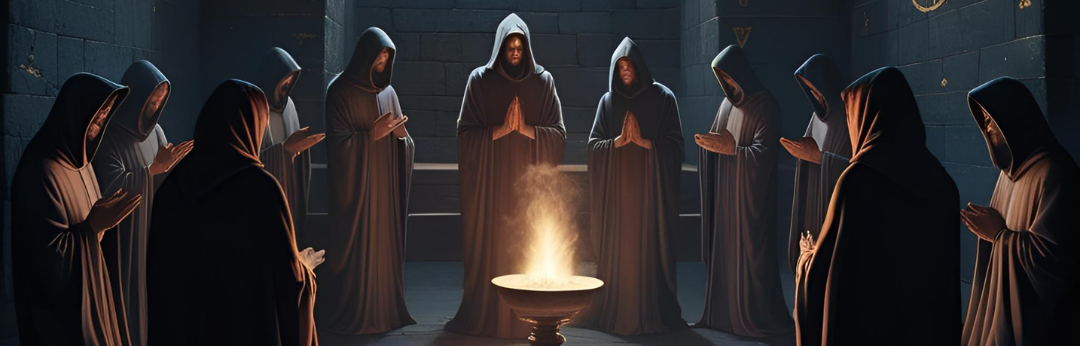
Illuminati Initiation Rituals Unveiling the Secrets
Illuminati Initiation Rituals Unveiling the Secrets Bavarian professor Adam Weishaupt formed the Illuminati as a secret society through its establishment in 1776. The intriguing nature of the Illuminati rests on processional initiation practices which initiates claim to deliver membership. This article investigates both historical facts and symbolic features and enduring public interest surrounding the Illuminati’s ceremony to initiate new members. Historical Context The Illuminati established its purpose to champion enlightenment values while fighting superstition while recruiting supporters of these ideals. A process of initiation existed to verify that new members shared society objectives and could handle secret operations. Members of the organization followed a hierarchical progression through different levels where each degree required its own rituals followed by specialized teachings. For example, many of the rituals included elements that encouraged critical thinking and personal reflection among initiates. This was not just about membership; it was about cultivating a mindset that valued inquiry and skepticism. The hierarchical progression within the group often mirrored educational advancements of the time, where degrees of knowledge and understanding were recognized and celebrated. Members would engage in discussions that challenged their beliefs, fostering an environment of intellectual growth alongside the clandestine nature of their operations. Symbolic Elements of the Initiation During Illuminati initiation ceremonies many symbolic elements expressed the major doctrines which maintained fundamental to the secret society. Key elements included: The membership oath required new members to swear for the protection of the society through absolute protection of its secrets. Members conducted sacred rituals in special lit rooms containing esoteric symbols to establish a mystical ceremonial area. During Illuminati rituals two major symbolic objects appeared: a blindfold representing mysterious transition toward enlightenment and swords protecting sacred societal knowledge. The educational instruction delivered to initiates supported Enlightenment ideals by focusing on critical thinking and thorough knowledge acquisition and (reason-based learning. In addition to the blindfold and swords, other symbols played a significant role during these initiation ceremonies. For instance, the compass and square, which are often associated with Freemasonry, were also present in some Illuminati rituals, representing morality and the pursuit of knowledge. The use of light and darkness within the ceremonies symbolized the journey from ignorance to enlightenment, further illustrating the group’s commitment to intellectual advancement. Modern Depictions & Interpretations History documents the disbanding of the original Illuminati group in the late 18th century despite continuous speculation and conspiracy theories about its influence. Modern literature and cinematic depictions along with popular cultural portrayals show Illuminati initiation ceremonies through elaborate mystic rituals although they include features from actual secret groups and fictional imagination. Various representations of the Illuminati throughout history explain why people continue to be interested in this organization and the manner by which it allegedly influences worldwide events. The fascination with the Illuminati has not waned in modern times, with numerous online forums and social media platforms dedicated to discussing and theorizing about the society’s influence. Documentaries, podcasts, and articles explore the myths and realities of the Illuminati, contributing to a resurgence of interest in secret societies in general. This ongoing dialogue serves to keep the narrative alive, inviting both skeptics and enthusiasts to engage with the lore surrounding the group. A fascinating aspect of contemporary interpretations of the Illuminati is their portrayal in video games and popular culture. Games often depict players as agents fighting against oppressive forces, drawing parallels to the society’s original purpose. This dynamic representation presents the Illuminati not just as a historical group, but as a symbol of resistance against control and surveillance, resonating with modern audiences who relate to themes of freedom and rebellion. Conclusion Research into the Illuminati’s initiation rituals continues to evolve, revealing new insights into the society’s practices. As historians and scholars delve deeper into the context of these rituals, the complexities of their meanings become apparent. The dual commitment to enlightenment and secrecy has left a lasting legacy, as both academics and the general public remain captivated by the blend of knowledge, discretion, and mystery that surrounds the Illuminati. Video games combined digital technology with high-end luxury as their product format The Illuminati movement affects current video games. These video games have plots about secret societies that let players fight against surveillance and control in dynamic roles of rebellion. Through digital games players learn everything about Illuminati culture by participating in its online platform.